
Indoor Plant Care Guides
Explore our comprehensive collection of articles and guides covering everything you need to know about nurturing healthy indoor plants throughout the seasons.
The information on this site is for educational purposes only and does not constitute medical advice. Always consult a qualified healthcare professional before making health decisions.
Mastering the Art of Plant Watering
Discover the perfect watering schedule for different plant species. Learn how to identify underwatering and overwatering signs, and understand the critical role humidity plays in tropical plant growth throughout the year.
Read the guide →
Optimizing Natural and Artificial Light
Understand different light intensity levels and their effects on plant photosynthesis. This article covers window orientation, artificial grow light selection, and seasonal adjustments for consistent healthy growth in Philippine homes.
Explore article →
Creating the Ideal Growing Medium
Learn about soil composition, pH levels, and drainage requirements for various indoor plants. Discover organic amendments, potting mix recipes, and when to repot your plants for optimal nutrient absorption and root development.
Learn more →
Year-Round Plant Care Calendar
Navigate the changing seasons with confidence. This comprehensive guide covers dormancy periods, growth spurts, and seasonal adjustments needed for tropical plants in tropical climates. Understand humidity changes and temperature fluctuations throughout the year.
View calendar →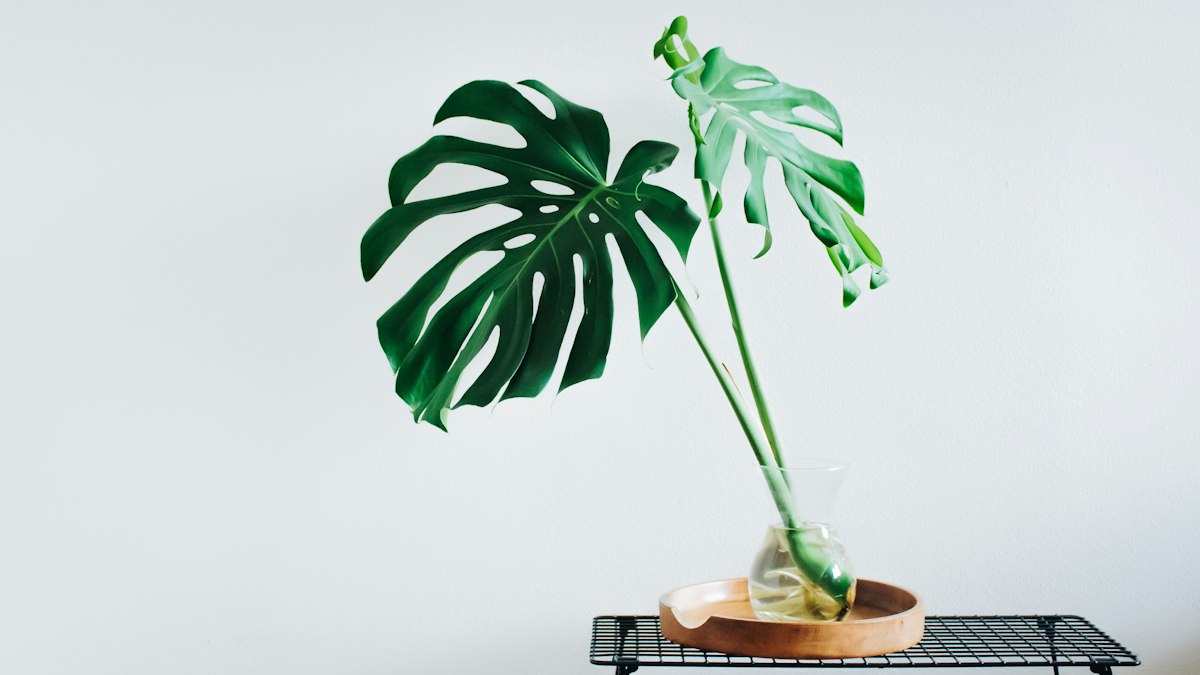
Identifying and Managing Plant Pests
Early detection is key to plant health. Learn to recognize common indoor pests, fungal infections, and bacterial diseases. Discover natural solutions, prevention strategies, and when to isolate affected plants to protect your collection.
Browse solutions →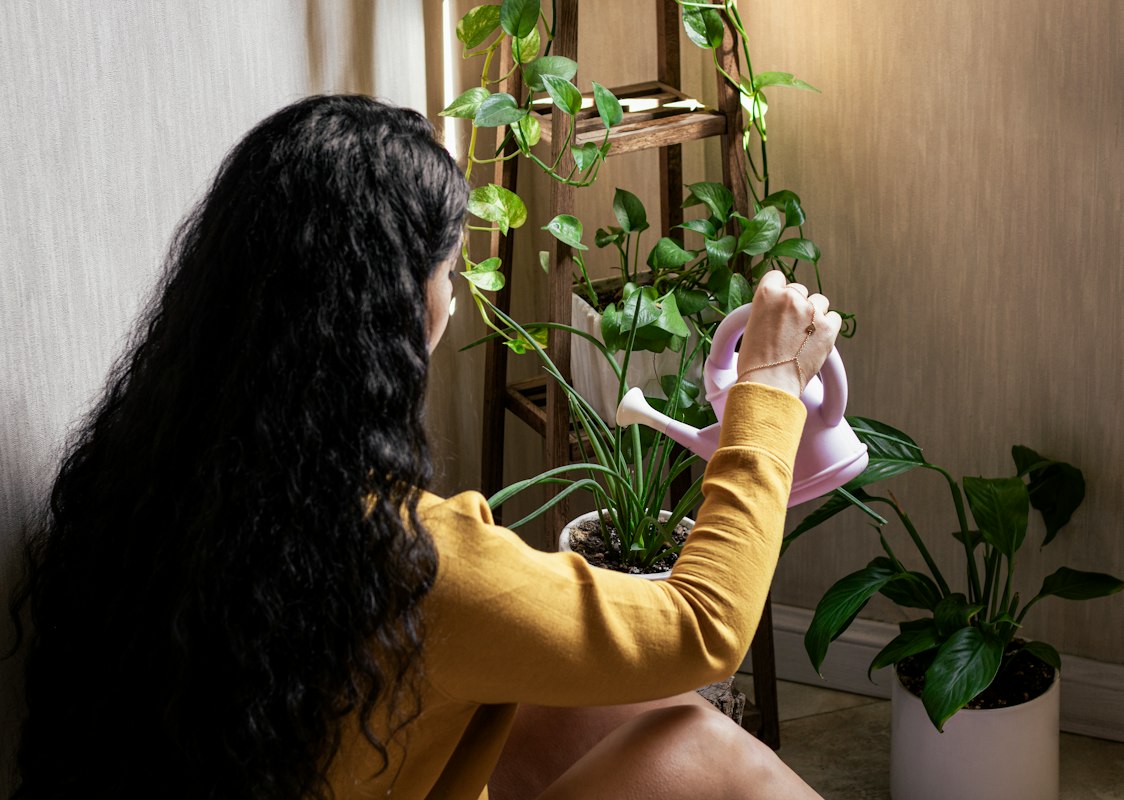
Growing New Plants from Cuttings
Expand your plant collection through stem cuttings, leaf propagation, and water rooting methods. This guide covers the best timing, rooting hormones, and medium preparation to ensure successful propagation of your favorite indoor plants.
Start propagating →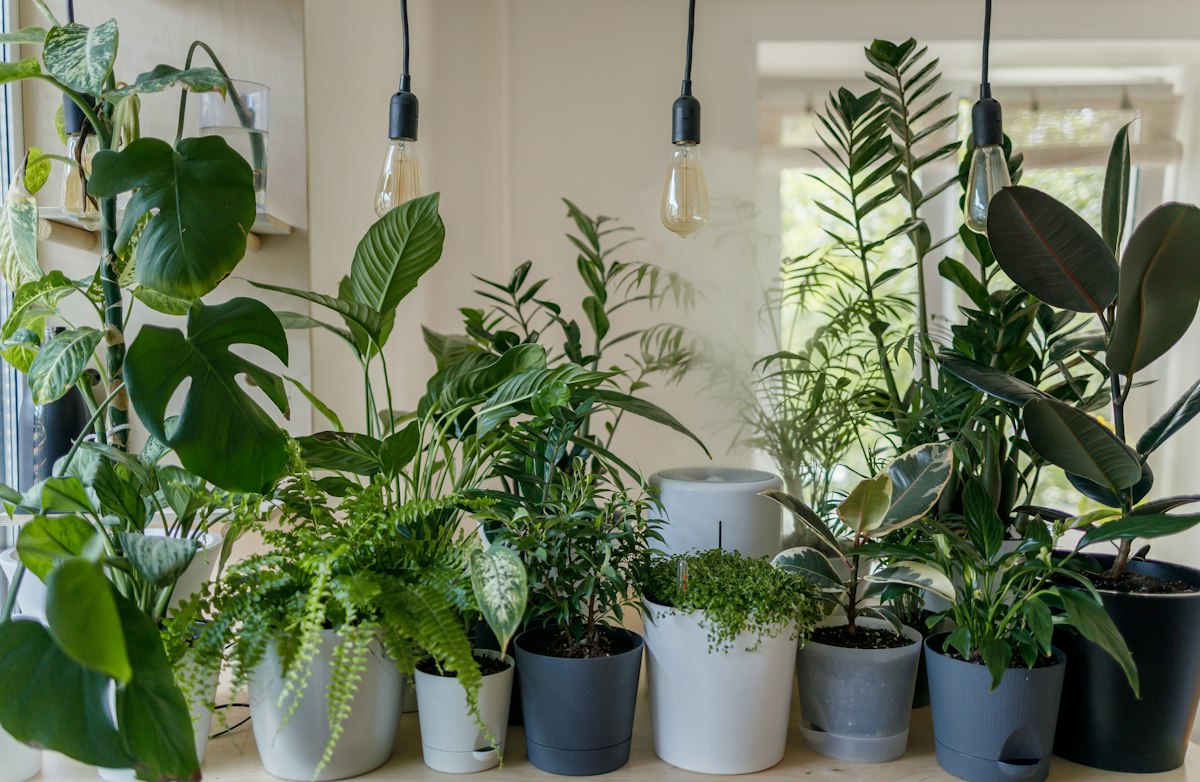
Avoiding Common Beginner Mistakes
Learn from the most common errors new plant parents make. From overwatering to poor container choice, this article helps you recognize red flags early and make corrections before plants suffer permanent damage.
Read tips →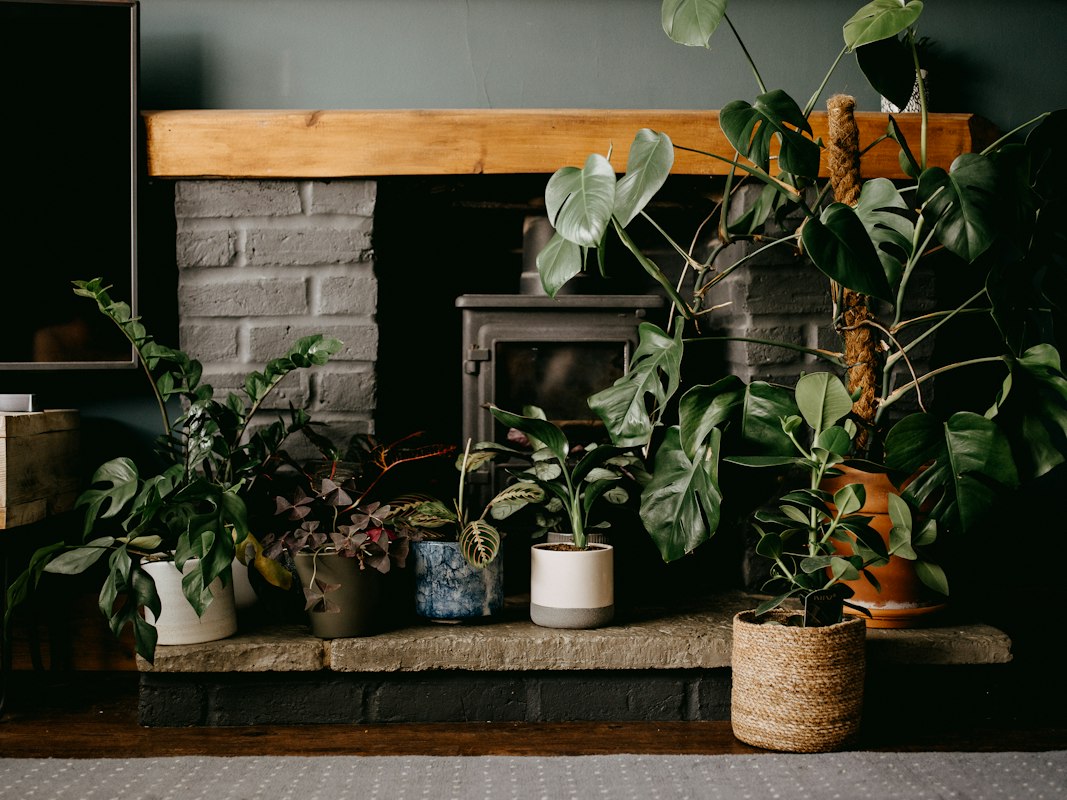
Selecting Plants for Your Home Environment
Match plants to your space and lifestyle. This comprehensive guide helps you assess light conditions, humidity levels, and available space to choose plants that will thrive in your specific environment with minimal maintenance requirements.
Find your match →
Advanced Techniques for Plant Enthusiasts
Take your plant care to the next level with advanced techniques including hydroponics, moss pole training, and specialized care for rare species. Perfect for experienced growers looking to expand their knowledge and collection.
Dive deeper →Browse by Topic
Find specialized articles tailored to specific plant care scenarios
Frequently Asked Questions
Quick answers to common questions about plant care
How often should I water my indoor plants?
Watering frequency depends on the plant species, soil type, humidity, and season. Most tropical plants prefer soil that is consistently moist but not waterlogged. Check soil moisture by inserting your finger 1-2 inches deep. Water when the top layer feels dry. During cooler months, reduce watering frequency as plants enter dormancy.
What are the signs of overwatering?
Overwatered plants typically show yellowing leaves, soft stems, mushy roots, and a sour smell from the soil. Leaves may become translucent and drop prematurely. Root rot is a serious consequence of overwatering. To fix this, repot the plant in fresh soil, trim dead roots, and adjust your watering schedule going forward.
How much light do indoor plants need?
Light requirements vary by plant species. Some plants thrive in bright, indirect light near windows, while others tolerate low-light conditions. Most houseplants need at least 4-6 hours of indirect sunlight daily. Position plants near east or west-facing windows for optimal light without direct sun exposure that can scorch leaves.
When should I repot my plants?
Repot plants when roots begin growing through drainage holes, when growth slows despite proper care, or when soil dries out very quickly after watering. Spring is the best time to repot as plants enter their active growing season. Choose a pot only 1-2 inches larger than the current one to avoid overwatering problems.
What humidity level do tropical plants prefer?
Most tropical indoor plants prefer humidity levels between 50-80%. You can increase humidity by misting leaves, placing plants on pebble trays filled with water, grouping plants together, or using a humidifier. During the dry season, monitor humidity closely and adjust care accordingly to prevent leaf damage.
How do I prevent and treat spider mites?
Spider mites appear as tiny specks and create fine webbing on leaves. They thrive in low-humidity environments. Increase humidity through misting and maintain clean leaves by wiping them regularly. For light infestations, spray with water or neem oil. Isolate affected plants to prevent spreading to healthy specimens in your collection.
Start Your Plant Care Journey
Browse our complete collection of guides and learn everything you need to grow thriving indoor plants in your Philippine home.